
"coffee export control"
5000 article(s) found

Ethiopian Coffee introduces the grading and quality control system of coffee
Coffee grading and quality control system in Ethiopia, coffee grading and quality control system is divided into three levels: producer, regional and national. All coffee is inspected by local inspection agencies before leaving the country of origin, and then re-tested at the coffee inspection and grading centers in Addis and Diredawa to determine its quality grade. Coffee is graded before auction and sale
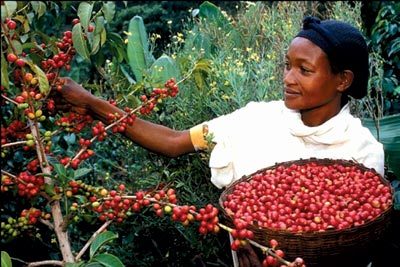
Grading and quality control system for coffee African fine coffee beans Ethiopian coffee beans
Coffee classification and quality control system In Ethiopia, coffee classification and quality control system is divided into producer, regional and national three levels. All coffees are inspected by local inspection agencies before they leave the country of origin, and then re-inspected at coffee inspection and grading centres in Addis and Diredova to determine their quality grade. Coffee is graded before auction and sale

Grading and quality Control system of Ethiopian Coffee
In Ethiopia, the grading and quality control system of coffee is divided into three levels: producer, regional and national. All coffee is inspected by local inspection agencies before leaving the country of origin, and then re-tested at the coffee inspection and grading centers in Addis and Diredawa to determine its quality grade. Coffee is graded before auction and sale, for all involved in production, acquisition,

Ethiopian Coffee Bean Flavor Manor introduces Ethiopian Coffee Brands
Sun-cured coffee accounts for 65% of exports. Mainly picked by families, red coffee beans are placed on cement floors or on high tables to dry to about 11.5% humidity, then peeled and cleaned. Coffee grading and quality control system in Ethiopia, coffee grading and quality control system is divided into three levels: producer, regional and national. All coffee goes through before leaving the country of origin.
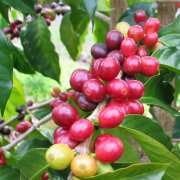
Classification and quality Control system of High quality Coffee Bean Ethiopian Coffee
In Ethiopia, the grading and quality control system of coffee is divided into three levels: producer, regional and national. All coffee is inspected by local inspection agencies before leaving the country of origin, and then re-tested at the coffee inspection and grading centers in Addis and Diredawa to determine its quality grade. Coffee is graded before auction and sale, for all involved in production, acquisition,

What is the grading and quality control system of Ethiopian coffee?
Professional coffee knowledge exchange more coffee bean information please follow the coffee workshop (Wechat official account cafe_style) in Ethiopia, coffee grading and quality control system is divided into producer, regional and national levels. All coffee is inspected by local inspection agencies before leaving the country of origin, and then re-inspected at the coffee inspection and grading centers in Addis and Diredawa.
Inspection and quarantine should be carried out in the planting base of plant-derived food raw materials for export.
The main safety and health problems of exported plant-derived food raw materials are excessive pesticide residues and harmful elements, which mainly occur in the planting stage. In order to control the safety and quality of plant-derived food raw materials for export during the planting stage, AQSIQ recently issued a notice (National quality Inspection letter [2008] No. 261) requiring further standardization of inspection and quarantine preparations for export plant-derived food raw materials planting bases.

Ethiopia, the largest producer of coffee in Africa.
Coffee grading and quality control system in Ethiopia, coffee grading and quality control system is divided into three levels: producer, regional and national. All coffee is inspected by local inspection agencies before leaving the country of origin, and then re-tested at the coffee inspection and grading centers in Addis and Diredawa to determine its quality grade. Coffee is graded before auction and sale
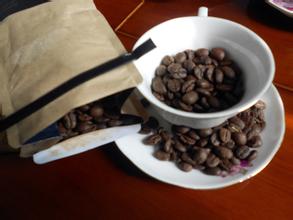
The latest introduction of boutique coffee beans Ethiopian Yejasuefi Coffee
In Ethiopia, the grading and quality control system of coffee is divided into three levels: producer, regional and national. All coffee is inspected by local inspection agencies before leaving the country of origin, and then re-tested at the coffee inspection and grading centers in Addis and Diredawa to determine its quality grade. Coffee is graded before auction and sale, for all involved in production, acquisition,

Quality control procedures of boutique coffee beans. What are the procedures for the trade of boutique coffee raw beans?
Professional coffee knowledge exchange more coffee bean information Please follow the coffee workshop (Wechat official account cafe_style) boutique coffee is the result of the refinement of coffee, a classic commodity that represents globalization, and this has two aspects: first, with the end of the Cold War in the 1990s and the birth of a new rich class from emerging markets, the geographical expansion of the coffee market has reached another peak; another

Strict definition of Jamaican Blue Mountain Coffee, quality Control of Jamaican Blue Mountain Coffee
Follow the comment (Wechat official account vdailycom) found that the strict definition of Blue Mountain Coffee opened in a beautiful cafe must be centrally procured and processed by four legal estates certified by the Jamaica Coffee Industry Council (CIB). According to the CIB standard, only coffee grown above 666m above sea level can be called Jamaican Blue Mountain Coffee; otherwise, it can only be called Blue Mountain Coffee.

Introduction to the grading of Ethiopian Coffee
Sun-cured coffee accounts for 65% of exports. Mainly picked by families, red coffee beans are placed on cement floors or on high tables to dry to about 11.5% humidity, then peeled and cleaned. Coffee grading and quality control system in Ethiopia, coffee grading and quality control system is divided into three levels: producer, regional and national. All coffee is required before leaving the country of origin.

Ethiopian Coffee Flavor Taste Manor introduces Ethiopian Coffee Brands
In Ethiopia, the grading and quality control system of coffee is divided into three levels: producer, regional and national. All coffee is inspected by local inspection agencies before leaving the country of origin, and then re-tested at the coffee inspection and grading centers in Addis and Diredawa to determine its quality grade. Coffee is graded before auction and sale, for all involved in production, acquisition,

Guatemala Antigua Flower God Fine Coffee Bean Variety Planting Market Price
Currently, some of Guatemala's finest coffee is exported to Japan, where it sells for $3 to $4 a cup. Moreover, Guatemala has deliberately set up a special coffee association and gives maximum funding and attention to these high-quality Russian coffees. These efforts quickly paid off. Guatemala coffee exports accounted for world coffee exports, October 2006-May 2007
International Coffee Organization-2
The 1983 International Coffee Convention has the following main economic characteristics: 1. When necessary, adopt an export quota system to ensure price stability within a certain range. This scope is reached annually through consultation between members of the organization's coffee importers and exporters at meetings of the International Coffee Council. two。 When the price of coffee rises above a certain level, the quota system will be terminated;

Acidity and texture of Ethiopian Coffee Manor Flavor characteristics of Fine Coffee beans
In Ethiopia, the grading and quality control system of coffee is divided into three levels: producer, regional and national. All coffee is inspected by local inspection agencies before leaving the country of origin, and then re-tested at the coffee inspection and grading centers in Addis and Diredawa to determine its quality grade. Coffee is graded before auction and sale, for all involved in production, acquisition,

Ethiopian Coffee Manor Flavor description Grinding degree Variety characteristics introduction to the taste of fine coffee beans
In Ethiopia, the grading and quality control system of coffee is divided into three levels: producer, regional and national. All coffee is inspected by local inspection agencies before leaving the country of origin, and then re-tested at the coffee inspection and grading centers in Addis and Diredawa to determine its quality grade. Coffee is graded before auction and sale, for all involved in production, acquisition,

Introduction to the planting environment of Ethiopian coffee
Due to different planting methods, coffee can be divided into three types: forest-semi-forest coffee (Forest or semi-forest coffee), courtyard coffee (Garden coffee) and plantation coffee (Plantation coffee). 60% of the coffee belongs to forest-semi-forest coffee. In such a wild coffee forest, pesticides are not used at all, but biological methods are used to control pests. 35%

Introduction to the characteristics of Ethiopian Coffee Flavor Manor with acidity and texture
5% of the coffee belongs to plantation coffee. This is a modern way of growing. Coffee is also grown in a forest, but new varieties are used and planted in rows with other shade trees. Due to different processing methods, coffee can be divided into washed coffee (Washed coffee) and sun-cured coffee (Sun-dried coffee). Washed coffee accounts for 35% of exports. Of good quality

Introduction to the characteristics of flavor and taste of Ethiopian coffee manor with acidity and texture
Due to different processing methods, coffee can be divided into washed coffee (Washed coffee) and sun-cured coffee (Sun-dried coffee). Washed coffee accounts for 35% of exports. Good quality washed coffee is processed with freshly picked fully ripe fruit, picked carefully and closely monitored by professionals. The clean coffee beans picked up will be pulped on the day of picking.